Chile combines elite competition and grassroots development to grow Para Alpine skiing across the region
Oct 27, 2026·Inside FIS
For more than a decade, Nicolás Bisquertt (CHI) traveled around the world to compete in Para Alpine skiing. More recently, however, he got to race on home snow.
The South American Cup Para Alpine Giant Slalom returned to El Colorado for a second consecutive year, bringing international competition back to Chile while highlighting the country’s growing commitment to the sport’s development.
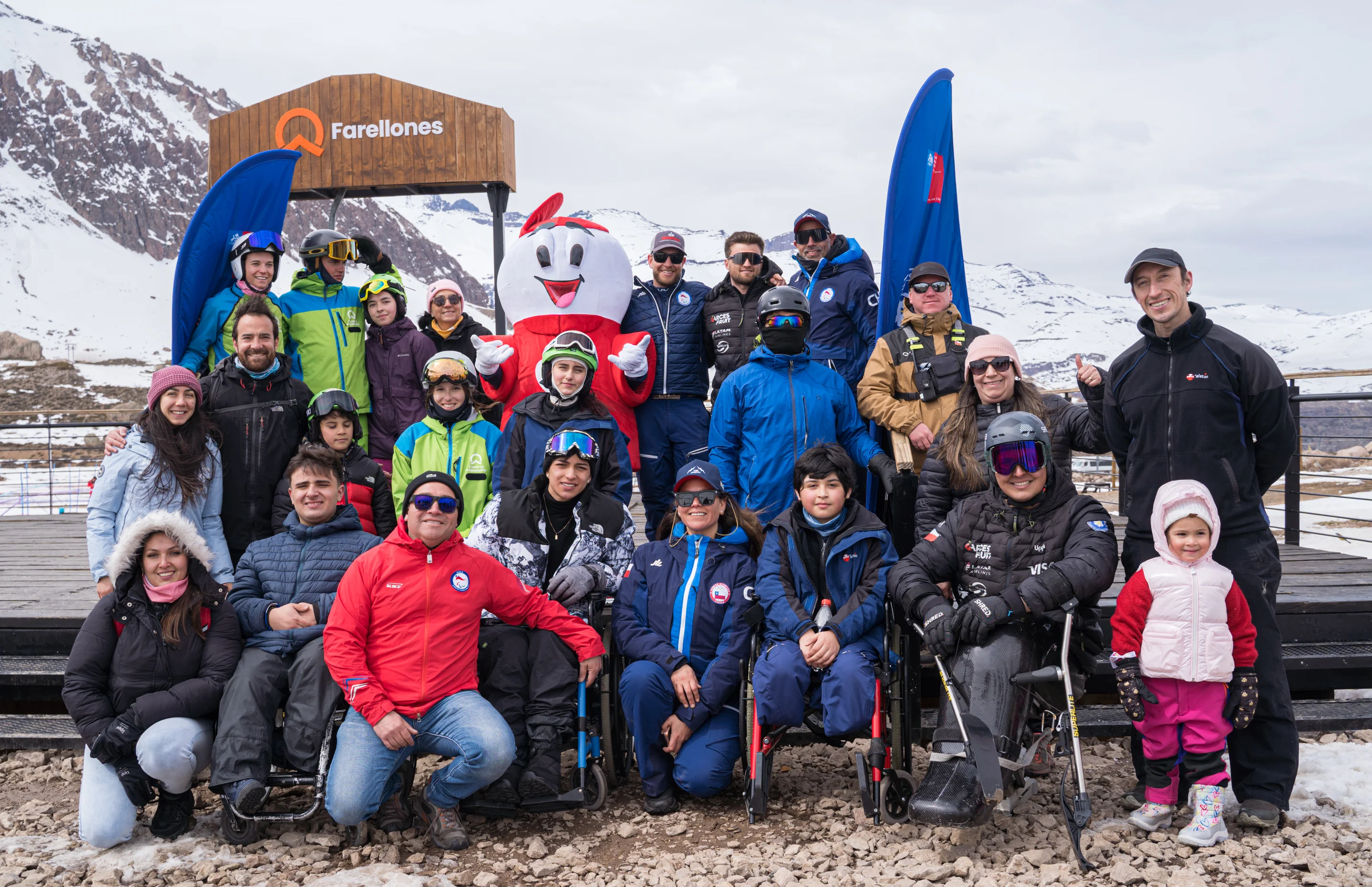
For Chile’s National Ski Association (NSA), the event was about more than just medals and results. Alongside hosting the competition, the association organized a Para Ski Clinic to introduce children and young people to the sport, strengthening the development pathway for future athletes.
Together, the two initiatives form part of a long-term strategy to increase participation, identify emerging talent, and establish Chile as a leading force in Para Alpine skiing across South America.
“It has been a great challenge and, at the same time, a very important opportunity for us,” said Consuelo Marquardt, General Manager of Chile’s NSA.
“We want Chile to become increasingly established as a reference point for the development of Para Alpine skiing in South America, and hosting a South American Cup for the second consecutive year is an important step in that direction.”
A stage on home snow
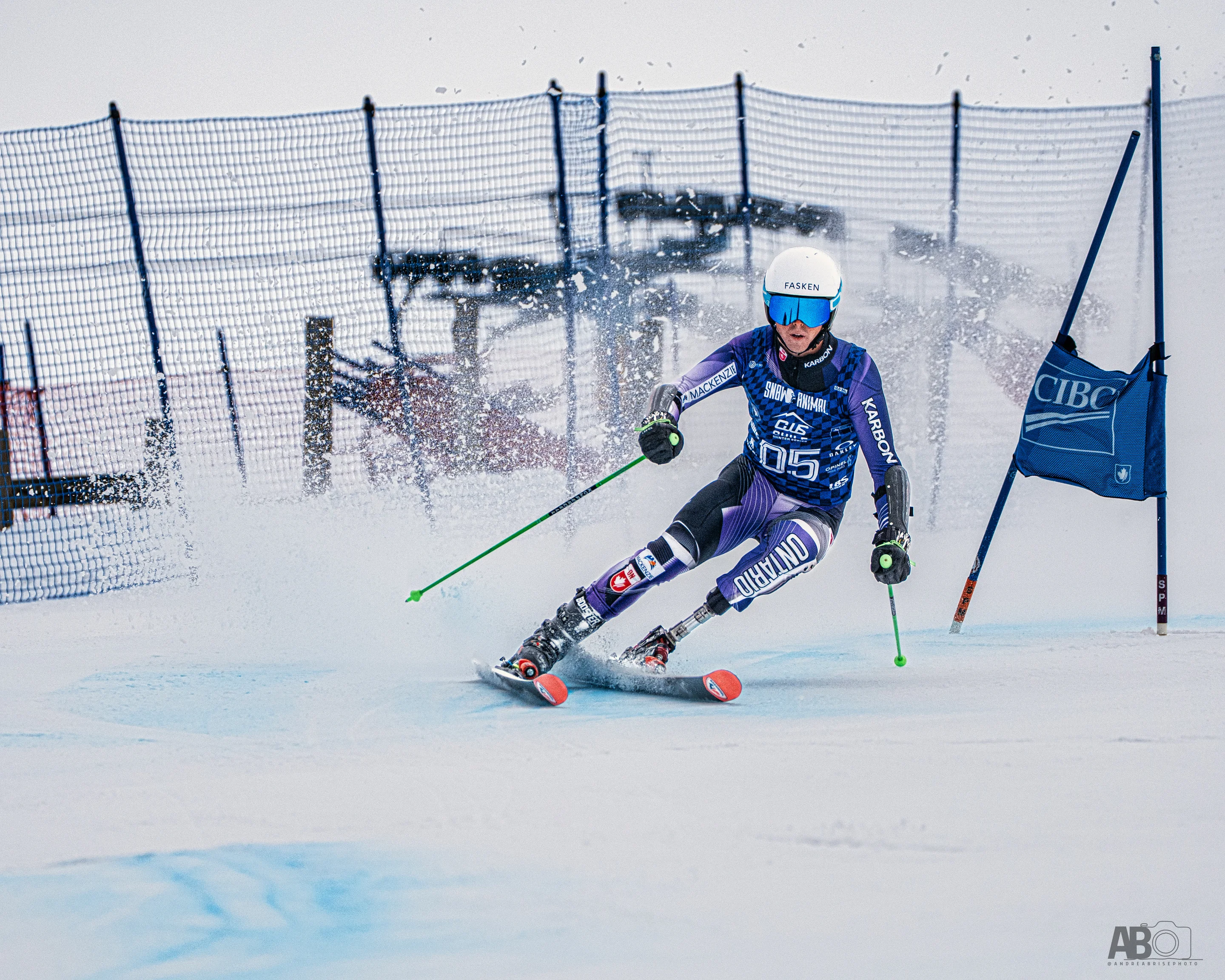
The competition welcomed athletes from Chile, Argentina and Canada to El Colorado, providing valuable racing opportunities within the region while helping to raise the profile of the sport nationally.
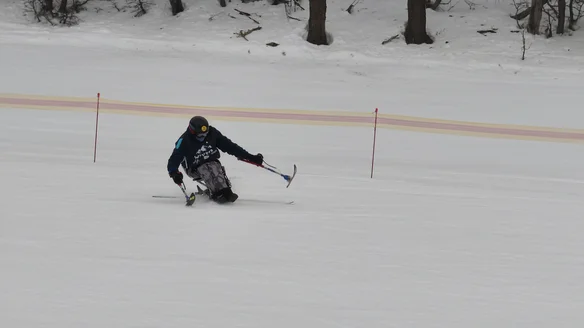
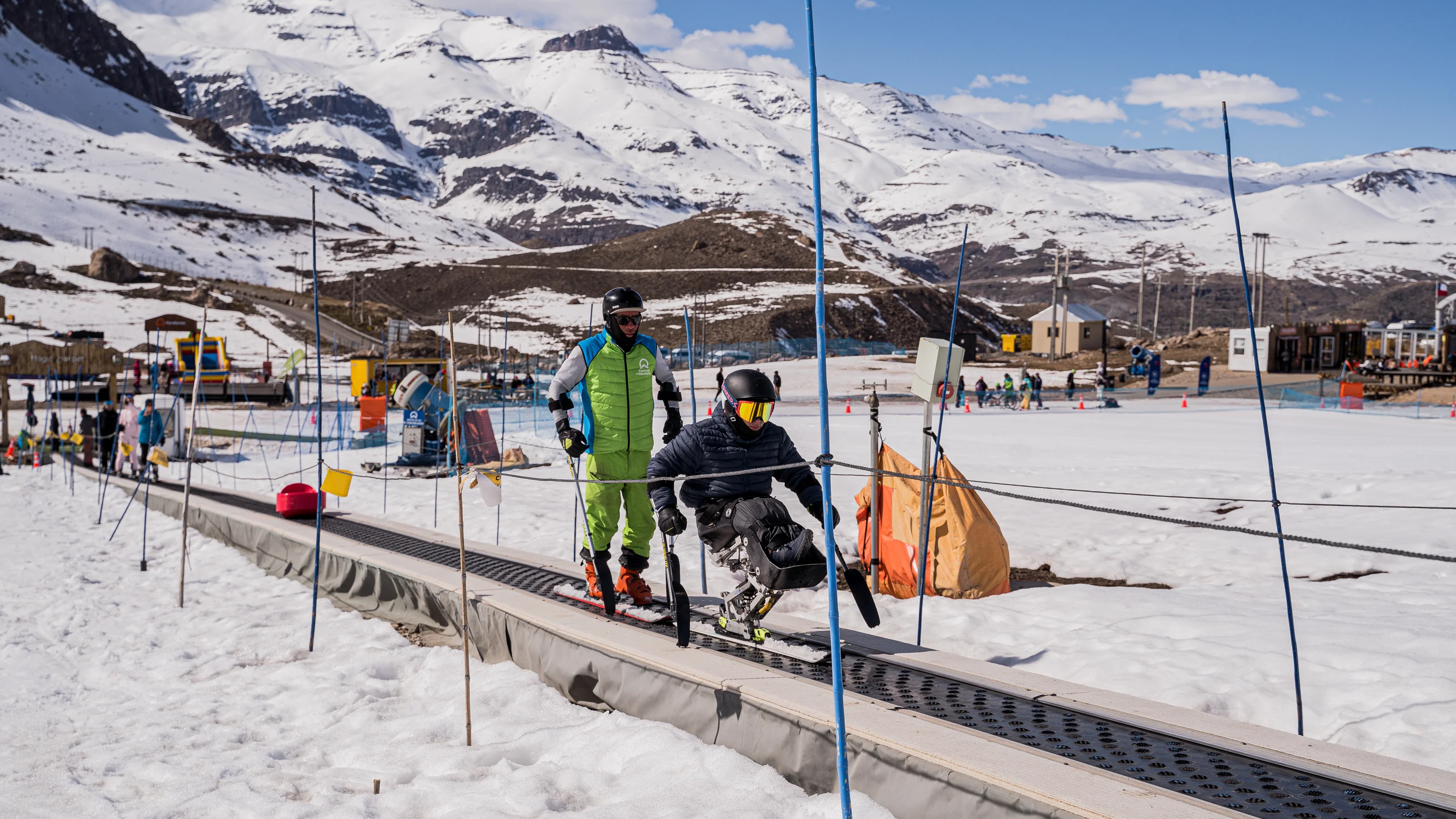
Among those competing was homegrown Bisquertt, who finished second in the men’s Sitting category. To have the opportunity to compete on home snow carried special significance for the sit-skier.
“Racing in Chile is always an incredible experience. I’ve been doing this sport for more than 10 years, and all my competitions had always been [abroad],” he told FIS.
“Even though I loved that, I had always dreamed of being able to do what I love in my own country. It is very important for us to have a competition in Chile, because we get to show our country what we dedicate ourselves to.
“By having this event here, a lot of people stop to watch the race, see what it really is, and understand why we train so much.”
Carving a path for the next generation
Hosting the South American Cup is only one phase of Chile’s wider Para Alpine strategy. The NSA have also collaborated with several partners to help develop Para skiing from the grassroots level upwards in the country.
For Consuelo, combining the two – youth development and elite pathways – is essential.
“Partnerships with organizations allow us to reach people who already have some experience on the snow and who may have the potential and motivation to develop as athletes,” Consuelo added.
“The impact was very positive; a clinic like this not only gives people the opportunity to experience the sport for the first time but also helps them understand what it takes to progress towards high performance: commitment, discipline, consistency, and resilience.”
Nicolás, who is helping to inspire the next generation, believes it is a welcome chance to contribute to a broader culture around the sport. He added: “Having events like the South American Cup in Chile means young people can see it. They learn that there’s racing in our country, that this sport exists, and that it can be done.”
Growing a ski culture
In Chile, the growth of Para Alpine skiing is about more than producing elite athletes. While part of their long-term vision, it is equally important to build a culture around the sport that will resonate with seasoned skiers and newcomers alike.
That effort has heavily relied on collaboration, but each inspired idea has been driven by the steadfast belief that everyone at the NSA has in the sport and its ability to reach far and wide.
It comes with difficulties, as Consuelo discussed: “One of the main challenges is helping athletes maintain a sustained commitment to the sport while also having access to the resources they need to train and compete.
“Chile also faces an important geographical challenge, being a long way from Europe and North America, where much of the international competitive activity is concentrated, so costs are considerably higher for our athletes.
There have already been encouraging signs of progress, with new attendees discovering Para skiing through social media and outreach activities, showing interest in learning how they too can become involved.
While medals and results remain important, and serve as evidence that this strategy is working, their ambition to grow the sport extends far beyond that.
“Our main goal is to enable more athletes to develop in this discipline and to achieve greater Chilean representation at future Paralympic Games,” Consuelo said.
“We also want to go beyond sporting results. We aim to establish Chile as a relevant Para Alpine skiing nation in the region, create more opportunities for competition, and expand the base of athletes participating in the sport.”
Nicolás sees it as a chance to continue opening doors, stating: “If we keep holding all these competitions, develop an environment and a mindset, our ski culture will start to grow.
“In the long run, that will lead us to make the most of our mountains.”